

Hokkaido Uni Shop
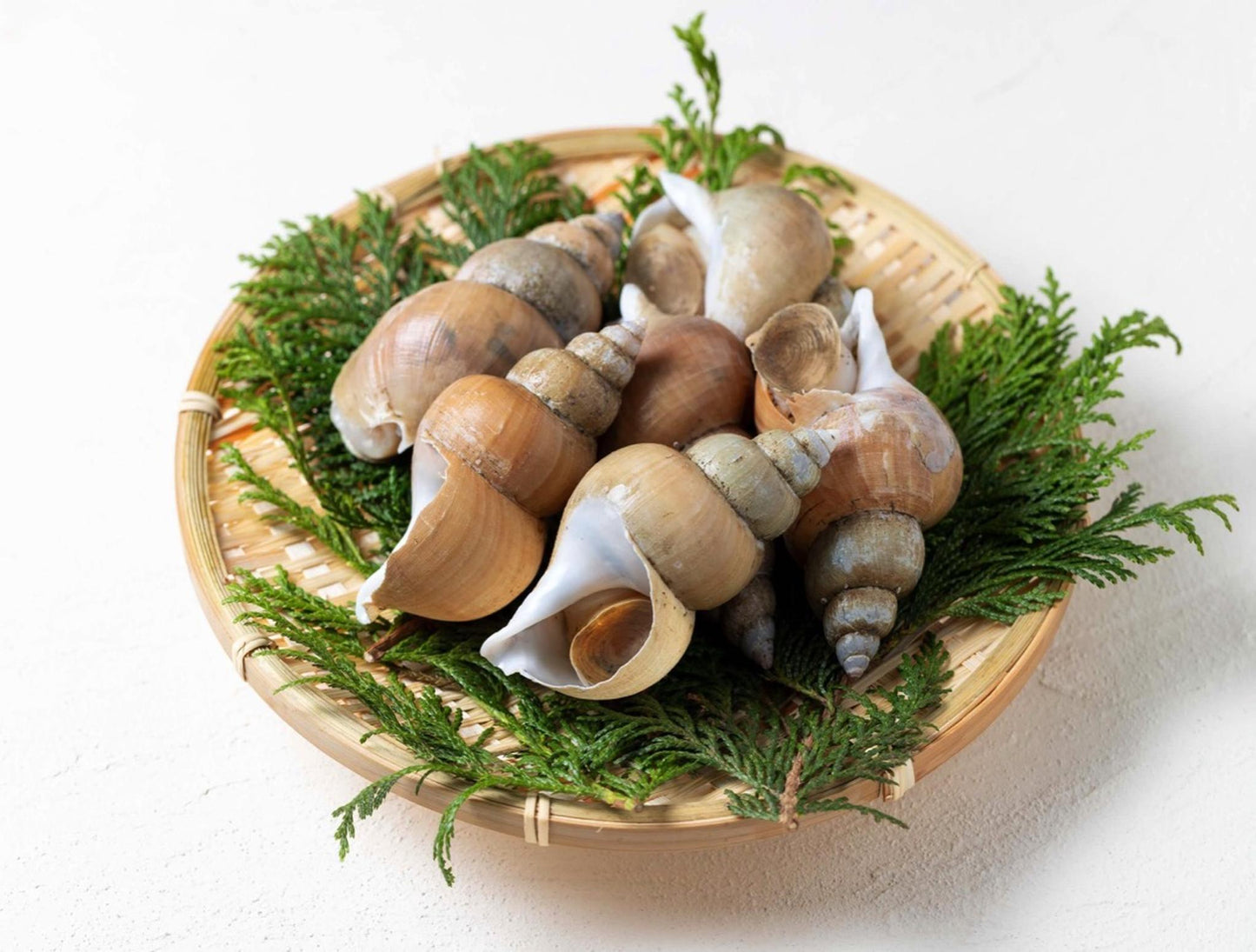
Bai Gai Shellfish 12pcs
Bai Gai Shellfish 12pcs
Couldn't load pickup availability
Special International Shipping Deal from Hokkaido is now $35.50 / Free Shipping on US orders over $350
What is Bai Gai?
Bai gai is a Japanese whelk (sea snail) of the Babyloniidae family, from Chiba and Hokkaido. Each piece is 20–30g, with a distinctive dark-spotted shell, a subtle sea aroma, and a refined, clean sweetness. A lesser-known delicacy, it's prized by chefs for its clean flavor and elegant look on the plate — 12 pieces per order.
The meat is firm with a gentle, snappy bite and a sweetness that comes through best with simple cooking. Served in the shell, it makes an elegant appetizer, and the clean flavor takes well to grilling, simmering, or very fresh, as sashimi.
Specifications
| Origin | Chiba / Hokkaido, Japan |
| Type | Bai gai — Japanese whelk |
| Weight | 20–30g per piece |
| Count | 12 pieces |
| Season | Year-round |
| State | Fresh or frozen (by availability) |
| Best for | Grilled, simmered, sashimi |
How to enjoy
Simple cooking suits it best. For tsuboyaki, grill the whelk in its shell with a little soy and sake until it bubbles, then pull the meat out with a pick. Simmer it in a sweet soy broth (nitsuke), or, very fresh, slice the firm meat for sashimi. Remove the dark organ and the operculum before eating. Keep it cold and cook through for grilled and simmered dishes.
Serving — tsuboyaki (grilled in shell), nitsuke (simmered), or sashimi.
Share
Bai Gai Shellfish 12pcs
$69.99