

Hokkaido Uni Shop
Sayori Japan 0.3lb
Sayori Japan 0.3lb
Couldn't load pickup availability
Special International Shipping Deal from Hokkaido is now $35.50 / Free Shipping on US orders over $350
What is Sayori?
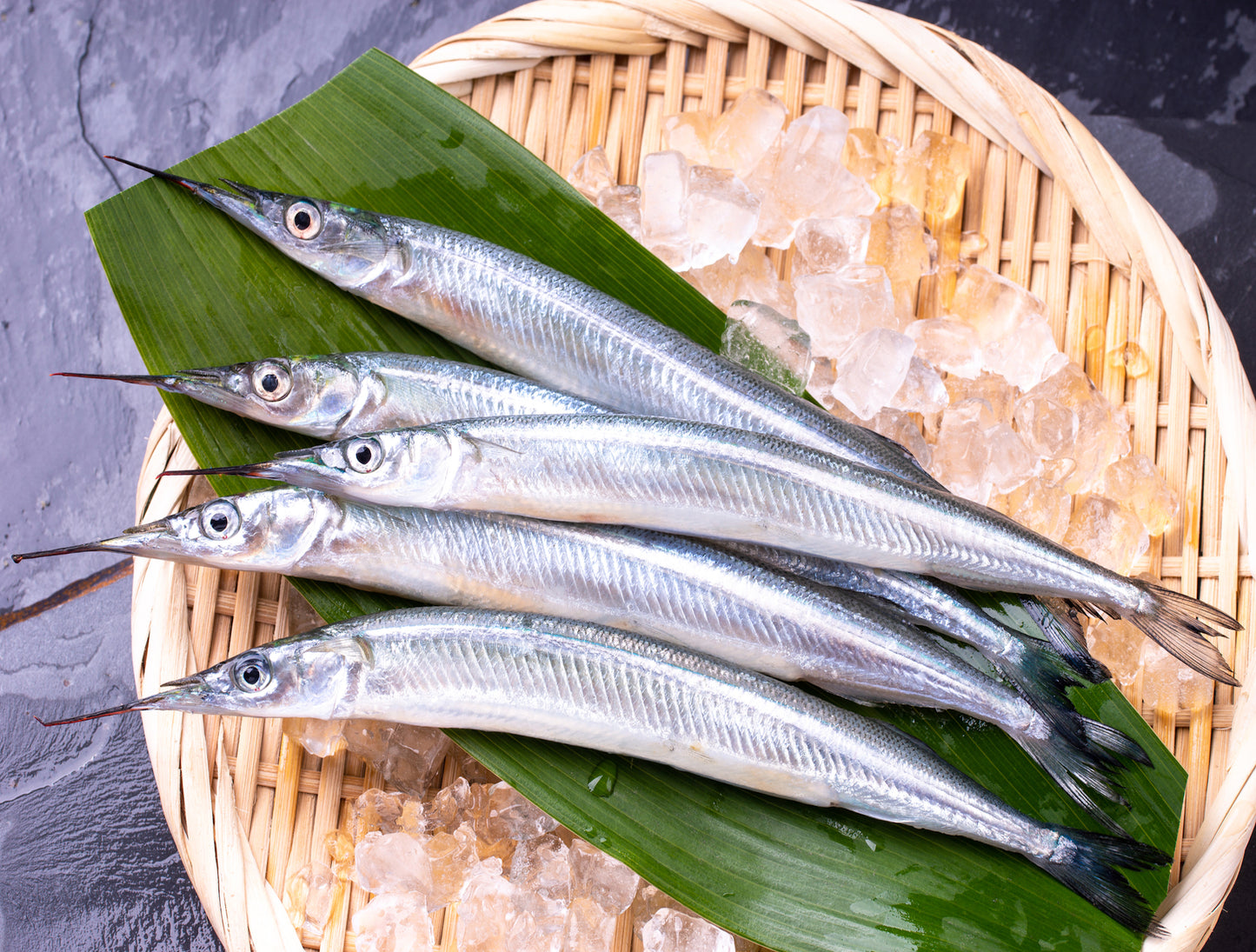
Sayori (針魚) is a slender, silver fish celebrated for heralding spring in Japanese cooking. Its subtly sweet flavor and smooth texture make it a favorite for sushi and sashimi, among those who appreciate a delicate, seasonal fish. It comes from the clear coastal waters of Japan, each fish around 0.3 lb, and is best enjoyed raw to catch its gentle, distinct marine notes.
Named for the long, needle-like lower jaw, sayori is one of the prettiest fish on the sushi counter — a bright silver line down a translucent white body. The flesh is clean and light rather than fatty, a spring counterpoint to the richer winter fish, and it takes careful knife work to fillet a fish this slim.
Specifications
| Origin | Japan |
| Type | Sayori (針魚) |
| Weight | approx. 0.3 lb per fish (varies) |
| Character | Clean, subtly sweet; slim silver body |
| Season | Spring (peak) |
| State | Fresh |
| Best for | Sashimi, nigiri, sunomono |
How to enjoy
Sayori is at its best raw. Filleted thin for sashimi or nigiri, the silver skin left on for its shine, it's often shaped into a decorative twist or knot on the sushi counter. It also makes a light sunomono, dressed in a rice-vinegar marinade that suits its clean flavor. Keep the treatment simple and delicate. Serve it fresh, the day it arrives.
Pairing notes — rice vinegar, sudachi or yuzu, soy and wasabi, ginger, and a light dry sake.
Share
Sayori Japan 0.3lb
$45.99